
Ardtun
Geological Conservation Review site | GCR #932 | Palaeontology | Tertiary Palaeobotany
Geological Conservation Review site | GCR #932 | Palaeontology | Tertiary Palaeobotany
Scotland's geosites are chosen because of their local, national or international importance. Take only photos, leave only footprints: avoid causing any damage to this site. You can walk almost anywhere in Scotland without the need to ask permission or keep to paths, but you have a responsibility to care for your own safety, to respect people's privacy and peace of mind and to cause no damage.
This site is a Site of Special Scientific Interest (SSSI). It is an offence to intentionally or recklessly damage the protected natural features of a SSSI, and this includes unauthorised sample collection.
The right of access does not extend to quarries, building sites or any land where public access is prohibited, or to the collection of geological samples.
Lacustrine (lake) sediments deposited between lava flows contain fossilized leaves and provide an idea of the environment on Mull during the Palaeogene.
A wide variety of fossil plants are found in the Eocene intra-basaltic sediments at Ardtun. At least twenty species are represented by foliage, fruits and stems; and include equisetes, ferns, conifers, ginkgos and dictyledonous angiosperms. The assemblage points to a warm temperate climate and is similar to coeval floras found in Greenland and Spitzbergen. However, it is the only locality in Britain to have yielded such a flora, the English assemblages of this age being tropical or subtropical in nature. It is thus a key site for lower Tertiary palaeobotany in Britain.
Access is via the end of the road at Eorabus. Routes can be found online, but note that parking at Eorabus may be difficult.
https://www.walkhighlands.co.uk/mull/ardtun.shtml
WalkHighlands route to fossil tree site. Note the comment about the bog. Walking beside the fence is slightly easier, but welly boots are the answer, really.
https://ifpni.org/species.htm?id=BE7EADBE-9B44-0C2F-DFD0-A9…
Link to information regarding leaf specimen Phyllites ardtunensis (see photo here) illustrated in the Mull Memoir, held in Natural History Museum, London.
https://www.cambridge.org/core/services/aop-cambridge-core/…
David W. JOLLEY, John MILLETT, Malcolm HOLE and Jessica PUGSLEY, 2024. Integrated photogrammetry, lava geochemistry and palynological re-evaluation of the early evolution of the topographically constrained Mull Lava Field, Scotland. Earth and Environmental Science Transactions of the Royal Society of Edinburgh, volume 114, pages 193–217, 2023 (for 2024).
https://www.sciencedirect.com/science/article/abs/pii/S0034…
Jolley, D.W., Bell, B.R., Williamson, I.T. & Prince, I. 2009. Syn-eruption vegetation dynamics, paleosurfaces and structural controls on lava field vegetation: an example from the Palaeogene Staffa Formation, Mull Lava Field, Scotland. Review of Palaeobotany and Palynology, volume 153, pages 19–33.
https://eprints.gla.ac.uk/137/1/Bell_1997.pdf
B.R. BELL & D.W. JOLLEY, 1997. Application of palynological data to the chronology of the Palaeogene lava fields of the British Province: implications for magmatic stratigraphy. Journal of the Geological Society, London, volume 154, pages 701–708.
https://www.palass.org/beta/eps/shop/product/pid-75/
Boulter M.C. and Kvaček Z. The Palaeocene Flora of the Isle of Mull, Special Papers in Palaeontology, No. 42, 149 pages. The Palaeontological Association, London (1989); with 23 plates, 23 text-figures and 2 tables. Photographs of Ardtun specimens from the Museum of Natural History, London.
ABSTRACT. The same assemblage of dinoflagellate cysts, pollen and spores is found in intra basaltic sediments offshore at the Rockall Plateau and the Norwegian Sea, and onshore at the Isle of Mull, County Antrim, the Faeroe Islands, eastern Greenland and Spitsbergen. All but the latter comprise what has been called the Brito-Arctic Igneous Province (BIP). Palynological work has dated these sediments at around the Palaeocene-Eocene boundary, corroborating evidence from geophysics and geochemistry. The onshore localities have also yielded plant megafossils, many of which have been studied for over a century. We have given detailed attention to these plant fossils, including those curated in the British Museum Natural History, and have incorporated into our modern synthesis of the BIP flora some of Seward and Edwards; hitherto unpublished descriptions and comments, written in the 1930s. The Hamamelididae account for the great majority of the angiosperm taxa represented in the BIP Flora, suggesting that this group of plants was evolving very actively at high latitudes in the northern hemisphere in the Late Palaeocene. The new taxa described are Camptodromites, Juglandiphyllites ardtunensis, and Vitiphyllum sewardii. There are several new combinations of species, and all spores and pollen are described as biorecords. The data indicate an autochthonously preserved flora of limited variety, from the volcanic lowland environments which were associated with the first openings of the northernmost North Atlantic Ocean.
https://www.sciencedirect.com/science/article/pii/003466677…
Phillips, L. 1974. Reworked Mesozoic spores in Tertiary leaf-beds on Mull. Review of Palaeobotany and Palynology, volume 17 (1974), pages 221–232.
ABSTRACT: Samples from the Lower Tertiary leaf-beds at Ardtun on the Isle of Mull, Scotland, yield an entirely reworked Jurassic spore assemblage. While the Rhaetian and Lower Jurassic are quite well-represented on Mull, Middle and Upper Jurassic rocks are rare. The presence of spores of this age indicates that the outcrop of these rocks was of greater extent in the Early Tertiary. Other instances of geological information being obtained from studies of reworking are given. Contemporaneous Early Tertiary spores are absent from the Ardtun deposits, which may be due to formation of the deposits in flood conditions or to differential destruction of the reworked and unreworked spores. Methods of detecting reworked pollen and spores are reviewed, and the potential problems inherent in a sample where only reworked spores occur are pointed out.
https://pubs.bgs.ac.uk/publications.html?pubID=B01951
Link to the BGS Memoir: E.B. Bailey, C.T. Clough, W.B. Wright, J.E. Richey & G.V. Wilson, The Tertiary and Post-Tertiary Geology of Mull, Loch Aline and Oban. Memoirs of the Geological Survey of Scotland, 1924.
https://www.lyellcollection.org/doi/abs/10.1144/gsl.jgs.188…
Gardner, J.S. 1887. Leaf-beds and gravels of Ardtun, Carsaig, etc. Mull. Quarterly Journal of the Geological Society of London, volume 43, pages 270–300.
https://www.lyellcollection.org/doi/epdf/10.1144/transglas.…
Koch, W.E. 1883. Notes on Mull and its Leaf-beds. Transactions of the Geological Society of Glasgow, volume 7, issue 1, pages 52–56.
This short paper describes a collection of plant fossils made over a week, when the beds were still accessible; there is a stratigraphic section, but no photographs or drawings. The fossils were deposited in the Hunterian Museum, Glasgow University.
https://www.lyellcollection.org/doi/abs/10.1144/GSL.JGS.185…
Duke, FGS, 1851. On Tertiary Leaf-Beds in the Isle of Mull. Quarterly Journal of the Geological Society of London, volume 7, pages 89–103.
The leaf beds were first described by the Duke of Argyll.
There are no safety notes yet.
There are no site highlights yet.
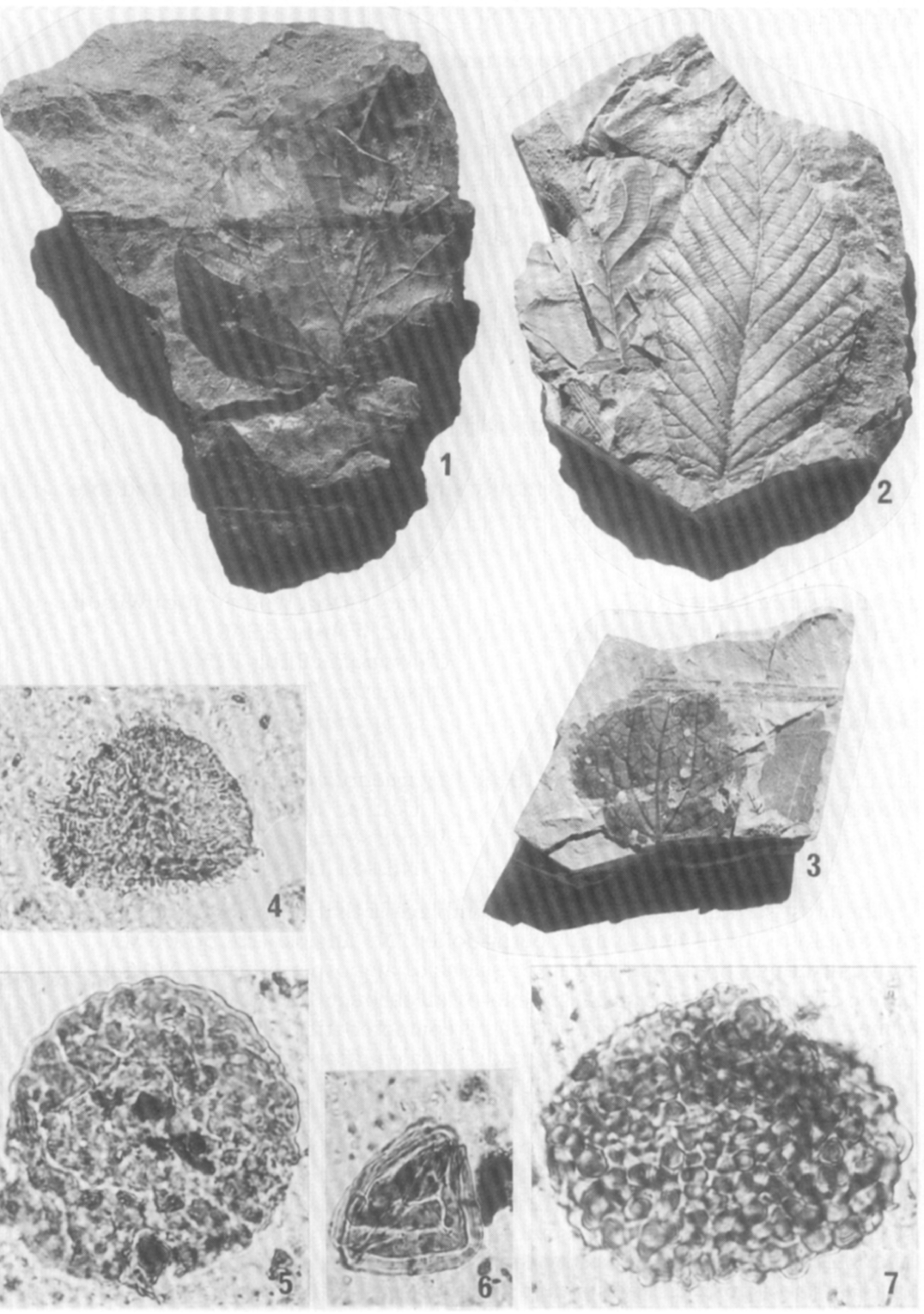
Plate I from Phillips, 1974. Key to plate is below.
Con Gillen
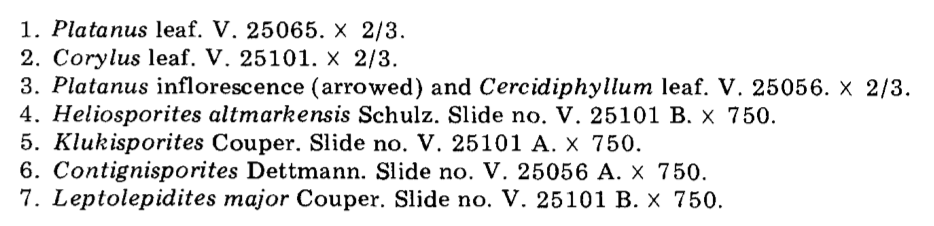
Key to images in Plate I from Phillips, 1974.
Con Gillen
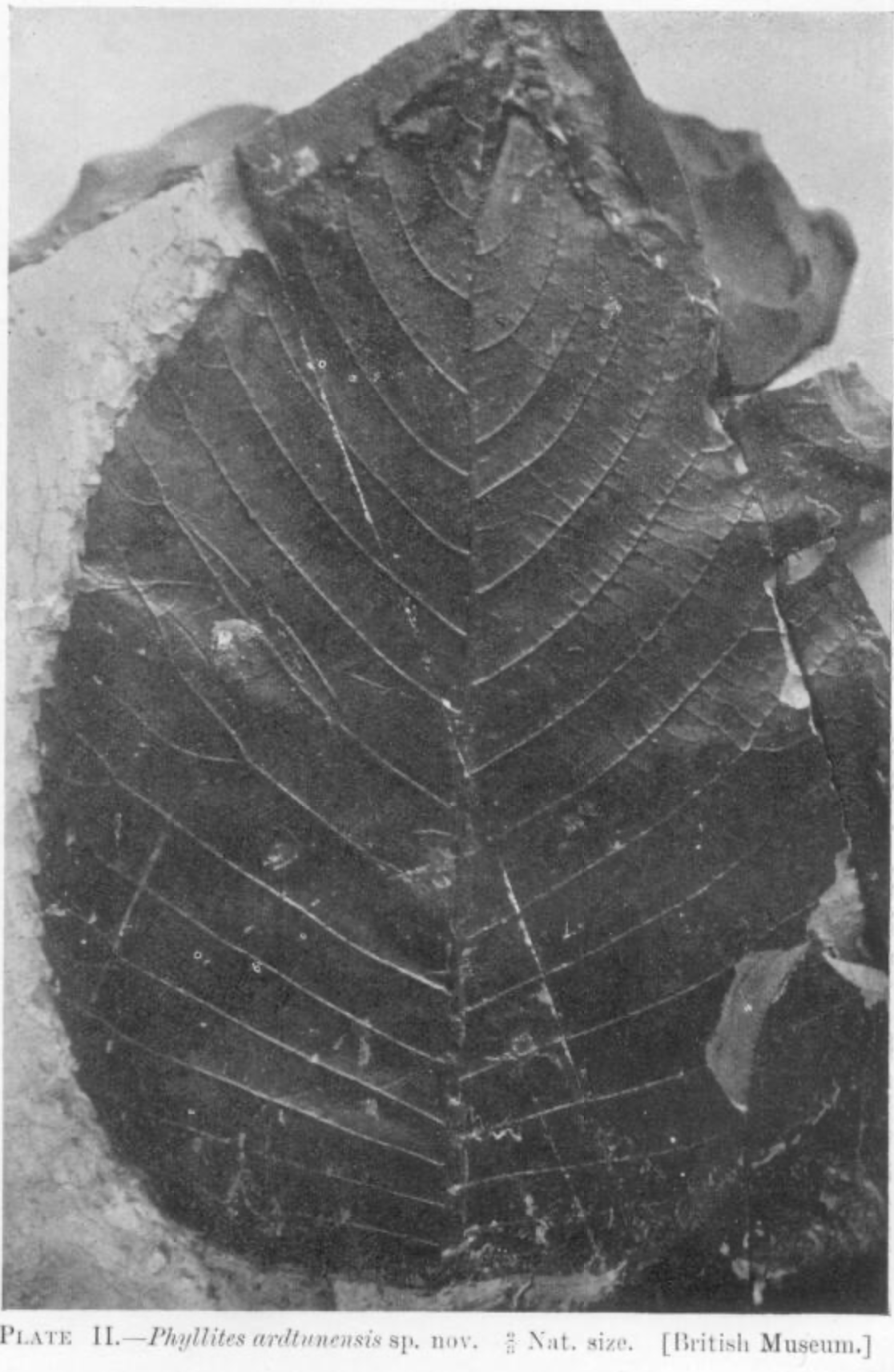
Photograph of leaf (Phyllites ardtunensis) from Ardtun, featured in the BGS Pre-Tertiary Memoir, edited by E.B. Bailey, 1924. There is a whole chapter on palaebotany: Seward, A. C. and Holttum, R. E., 1924. Tertiary plants from Mull. In: E.B. Bailey, C.T. Clough, W.B. Wright, J.E. Richey & G.V. Wilson, The Tertiary and Post-Tertiary Geology of Mull, Loch Aline and Oban. Mem. Geol. Surv. Scotland, pages 67–90.
Con Gillen
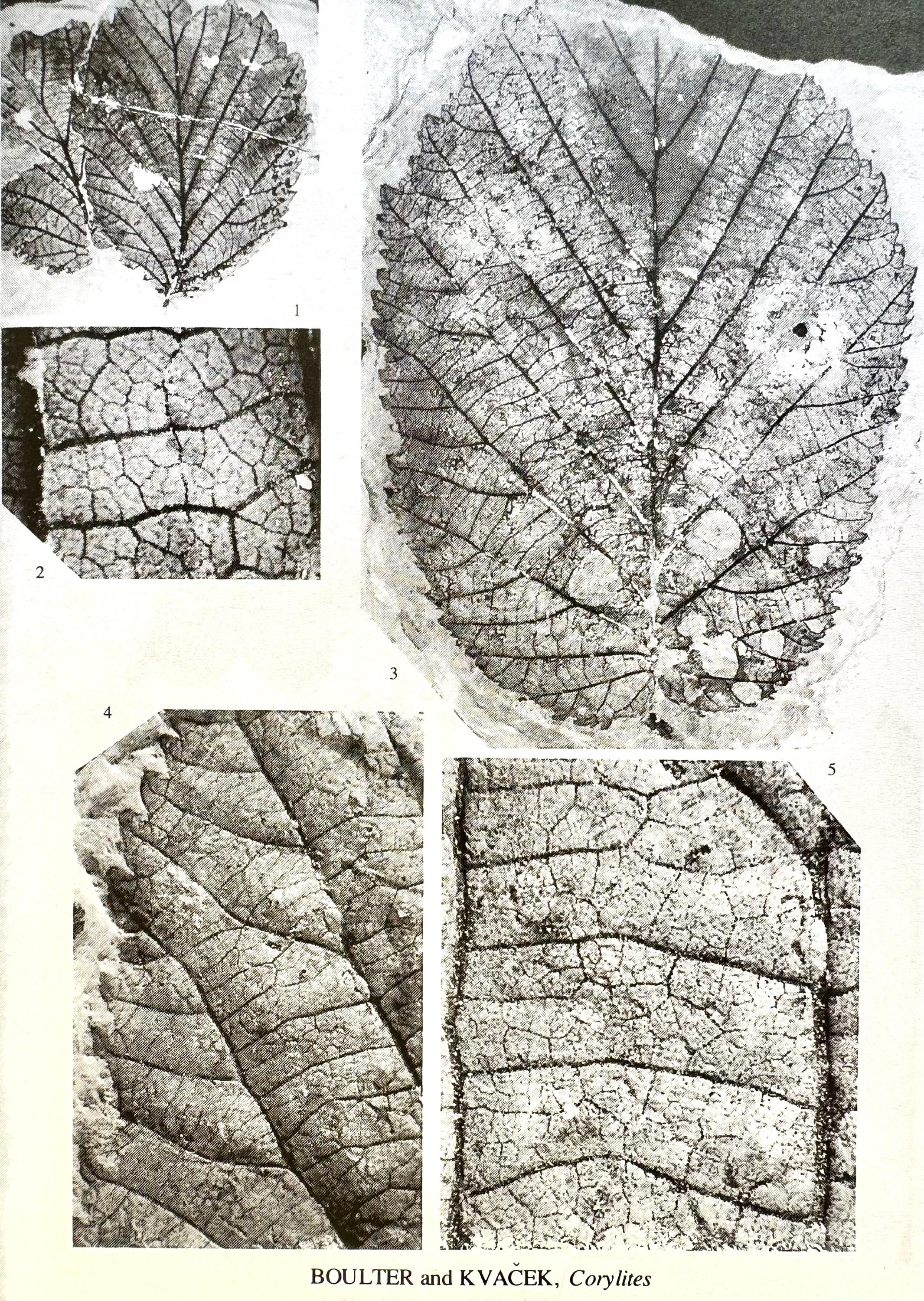
Photographs of Corylites hebridicus from Boulter & Kvaček (1989) paper, as an example of the illustrations from Ardtun beds. No. 3 is about 13 cm long and 9 cm wide.
Con Gillen
March 26, 2025
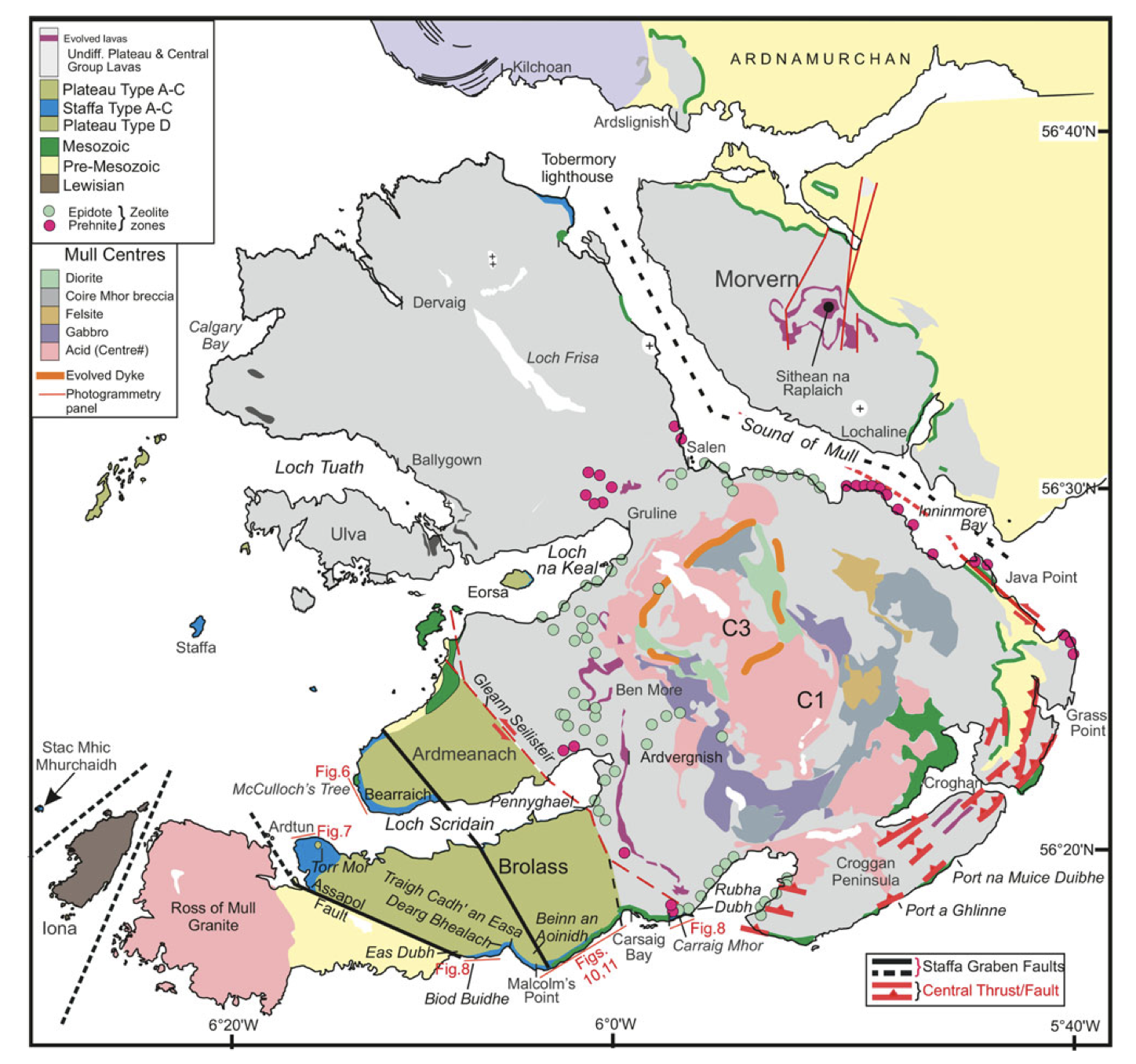
Location map from Jolley et al., 2024.
Con Gillen
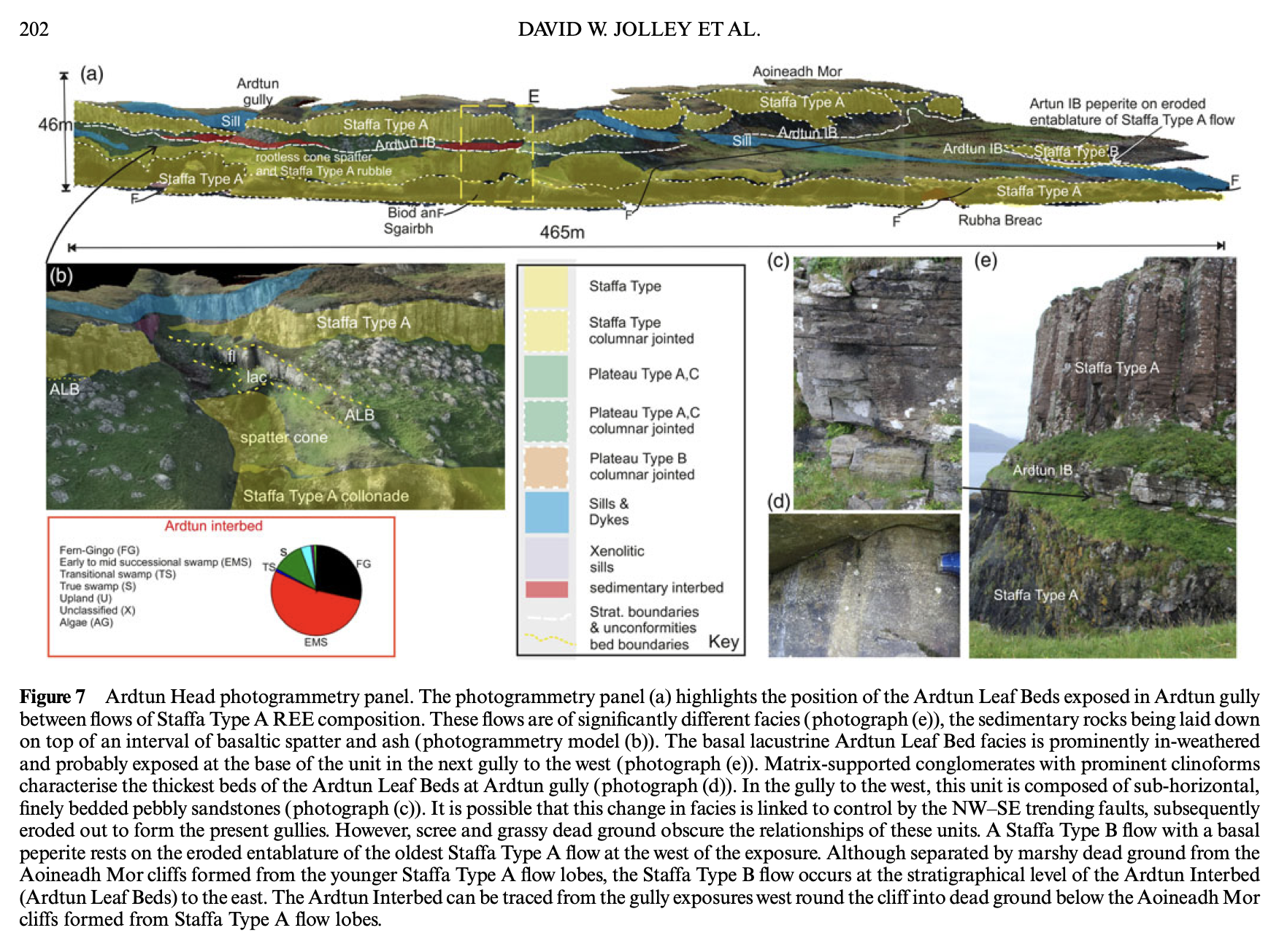
Figure 7 from Jolley et al. 2024, illustrating the Ardtun section.
Con Gillen
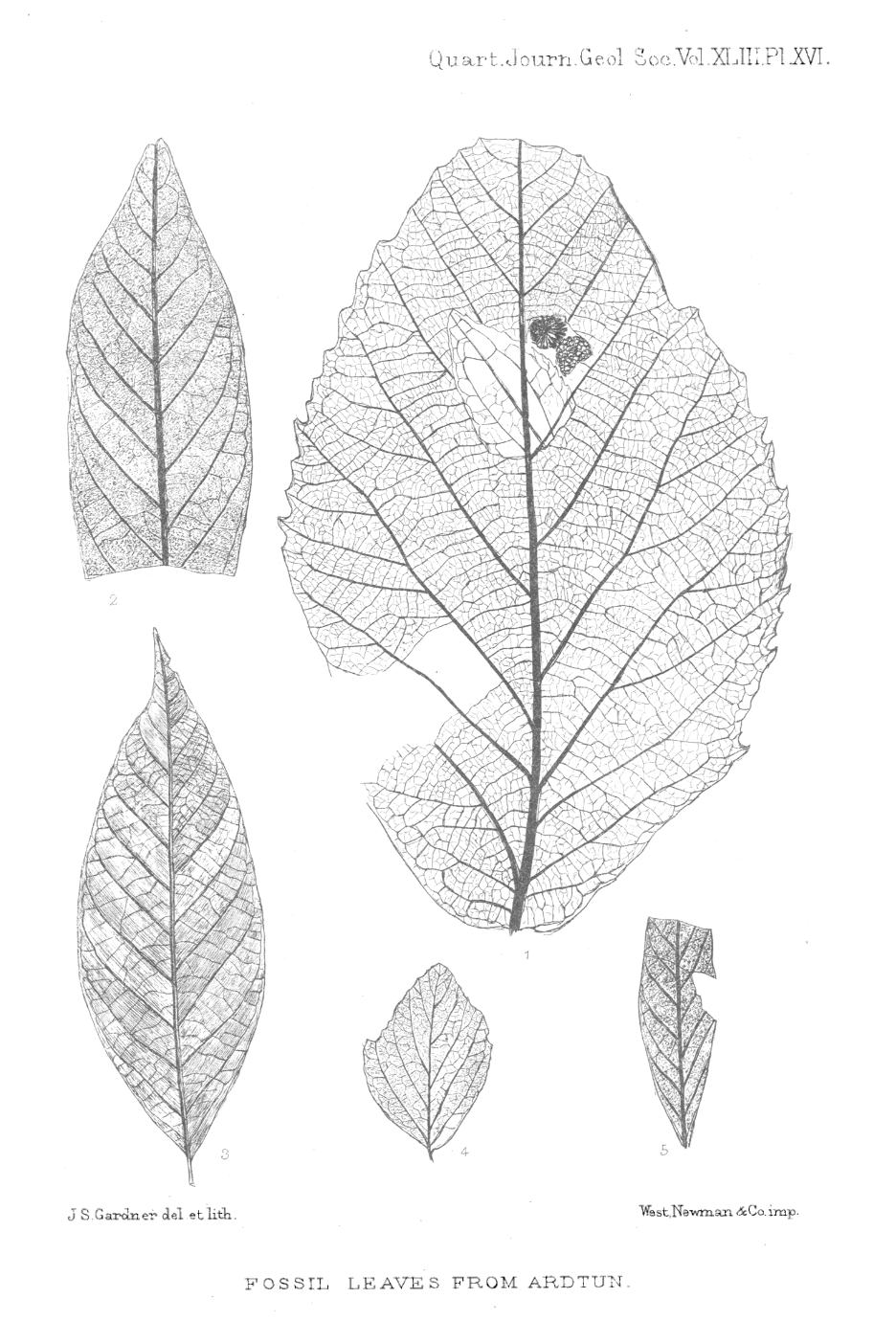
Sketches of fossil leaves from Ardtun Leaf Bed, in Gardner's paper (see link below).
Con Gillen
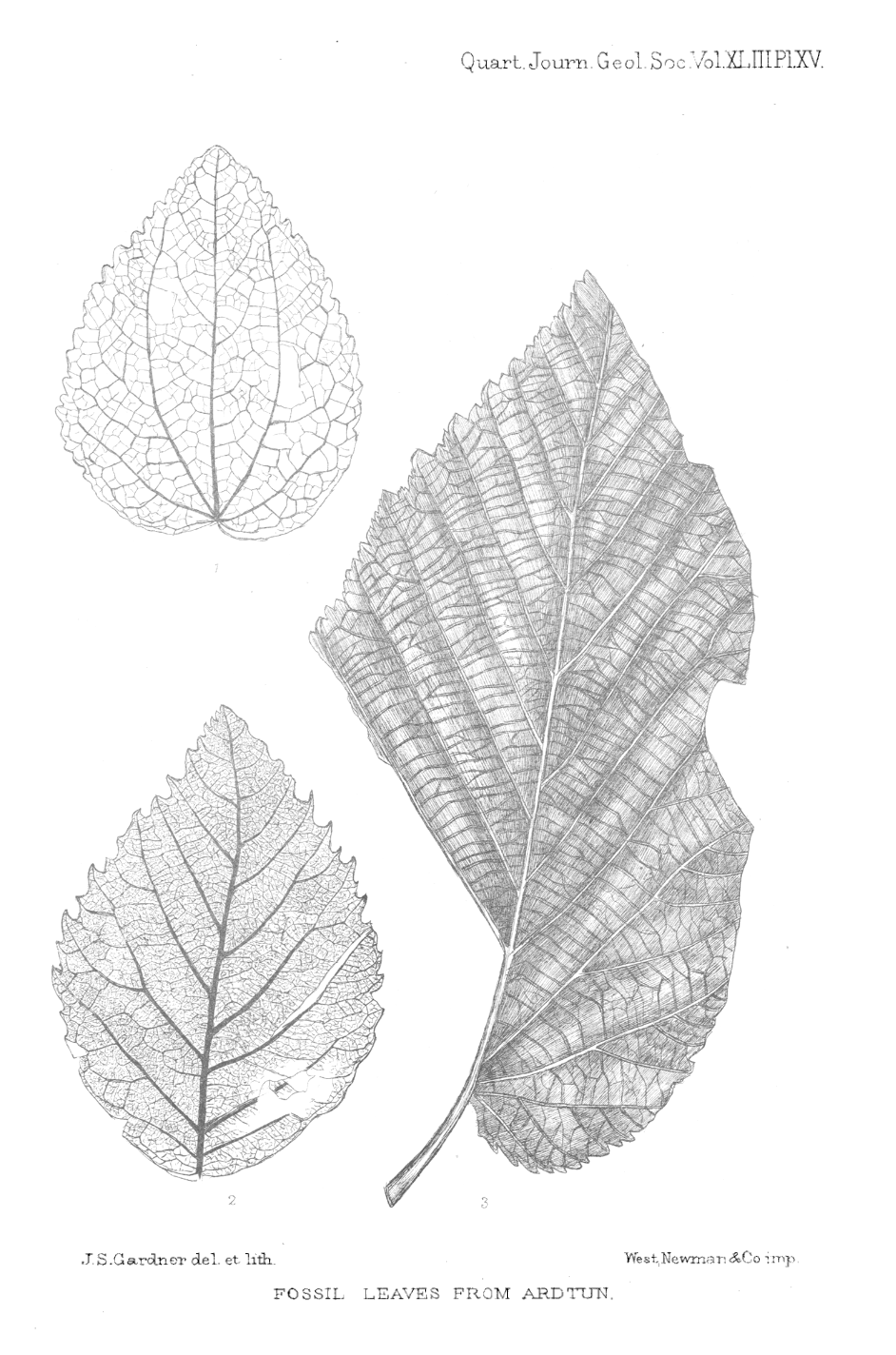
Sketches of fossil leaves from Ardtun Leaf Bed, in Gardner's paper (see link below).
Con Gillen
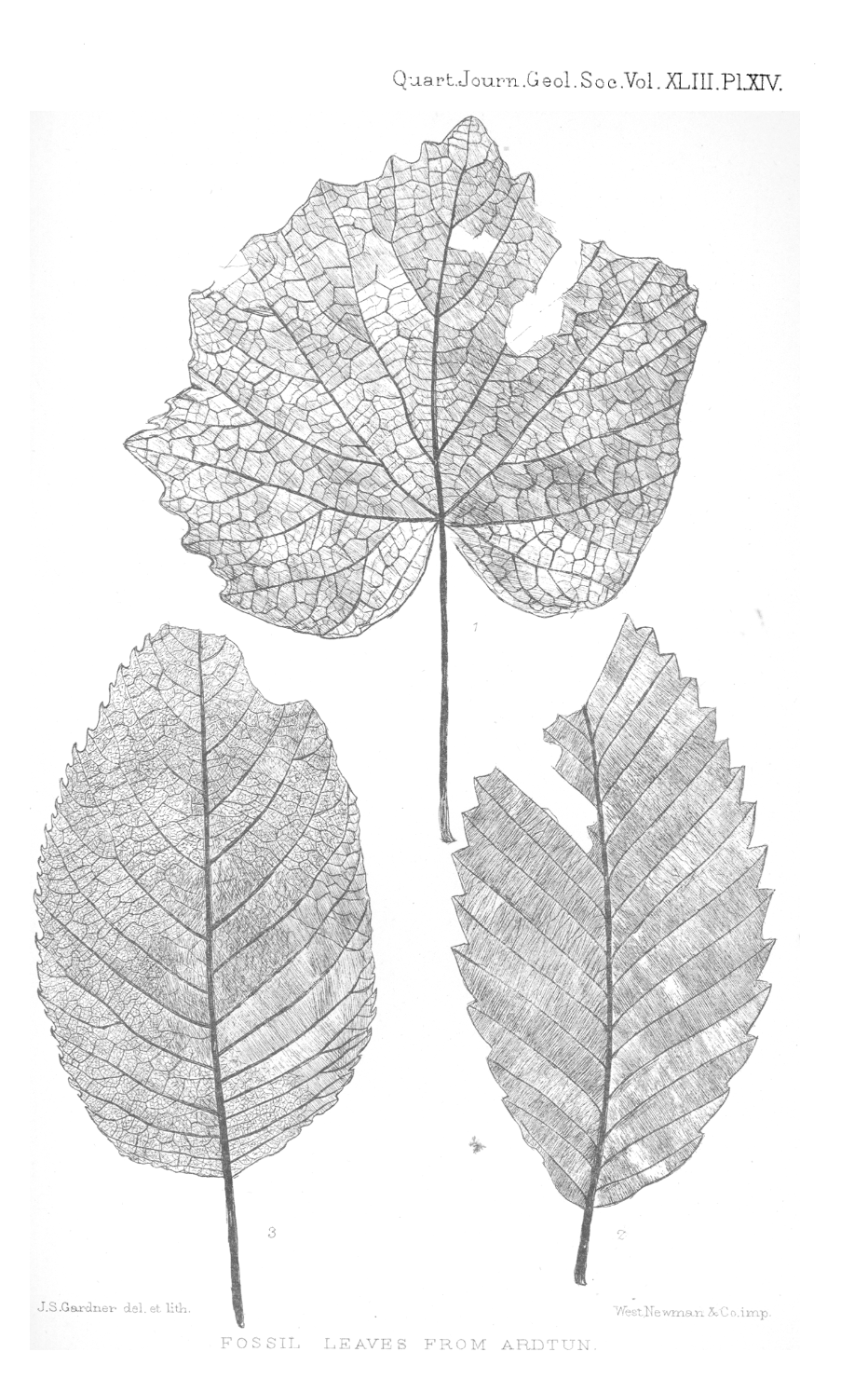
Sketches of fossil leaves from Ardtun Leaf Bed, in Gardner's paper (see link below).
Con Gillen
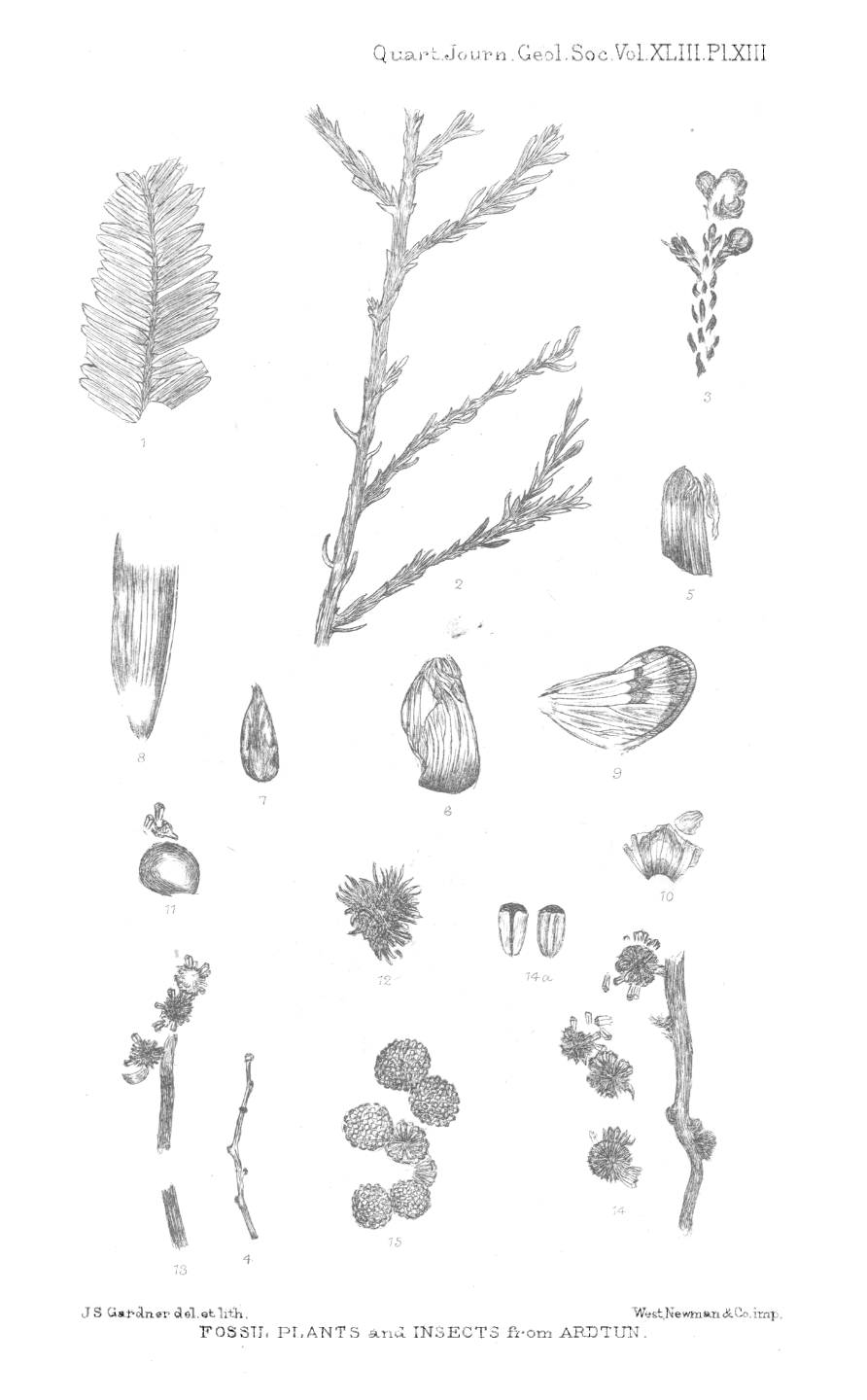
Sketches of fossil plants and insects from Ardtun Leaf Beds, in Gardner's paper (see link below).
Con Gillen
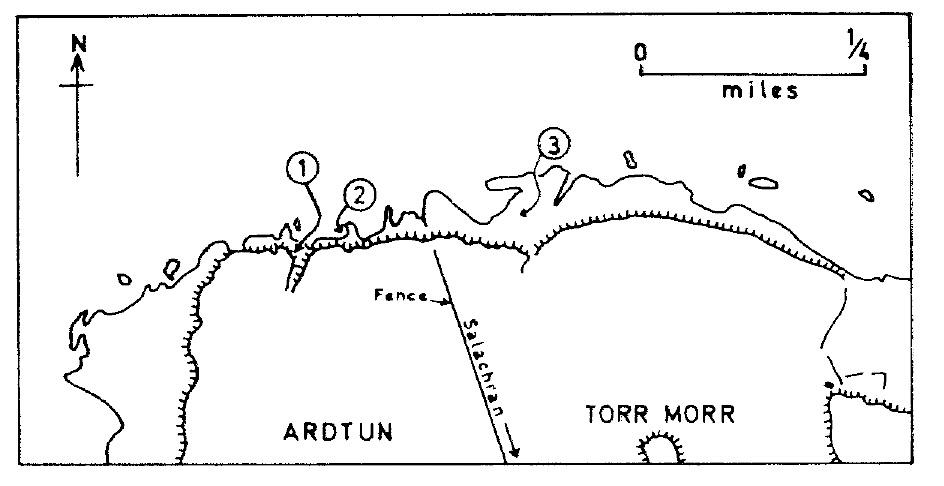
Sketch map of leaf beds excursion access route, from Skelhorn (1969) GA Guide to Mull (out of print). Locality 3 is shown in the overlapping igneous features at this site (see Ardtun Tertiary Igneous).
Con Gillen
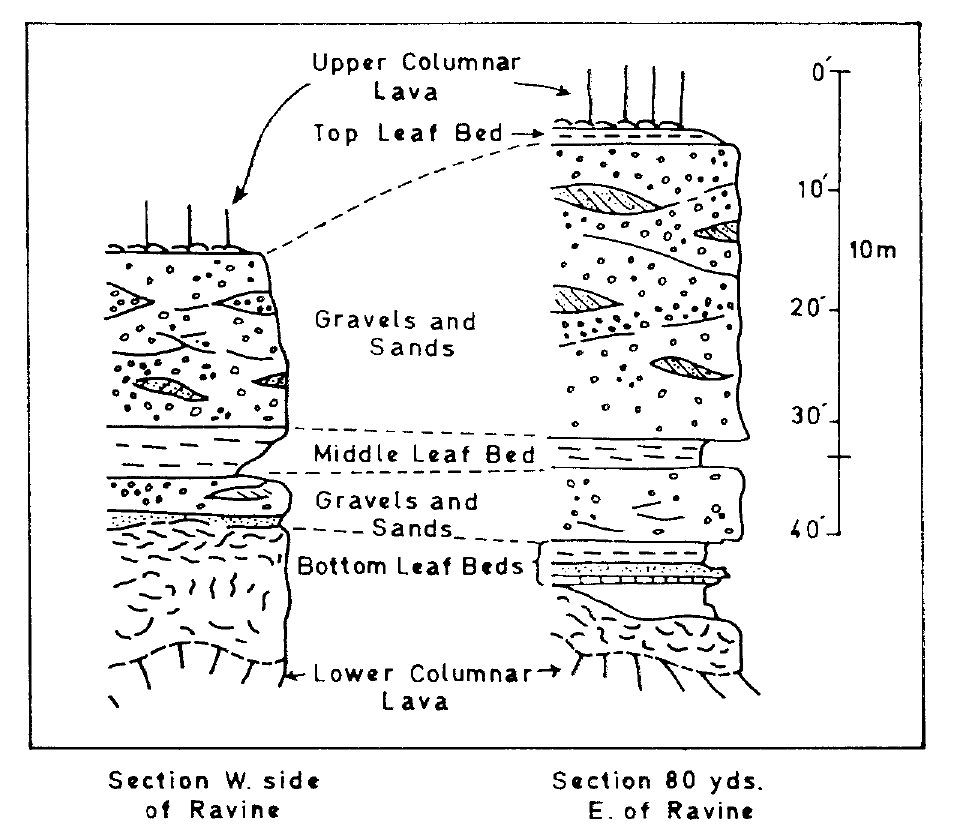
Section across leaf beds gully, from Skelhorn (1969) GA Guide to Mull (out of print).
Con Gillen
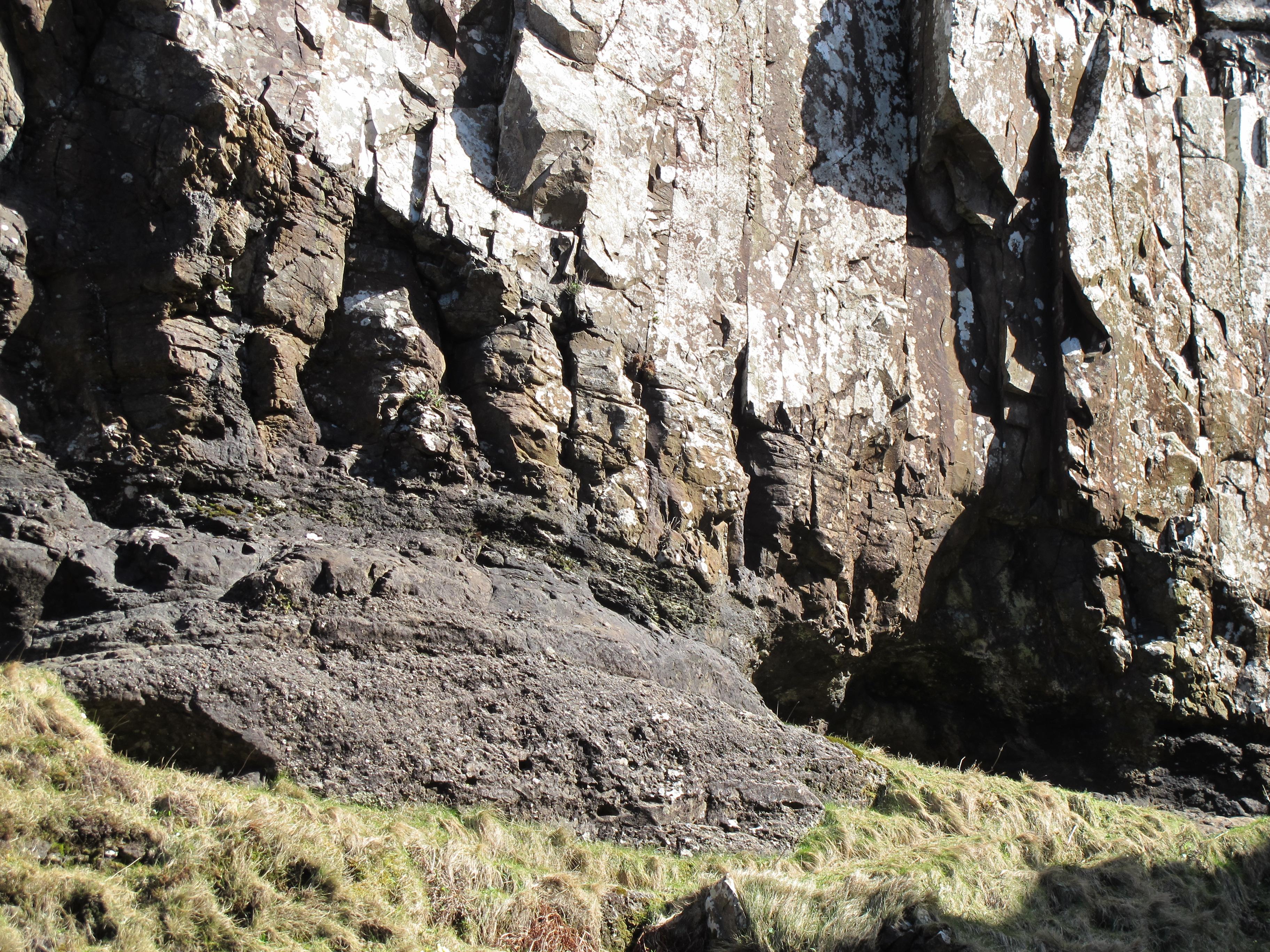
Flint conglomerate below lava in gully at Ardtun, showing cross bedding in lower layer.
Con Gillen
April 24, 2015
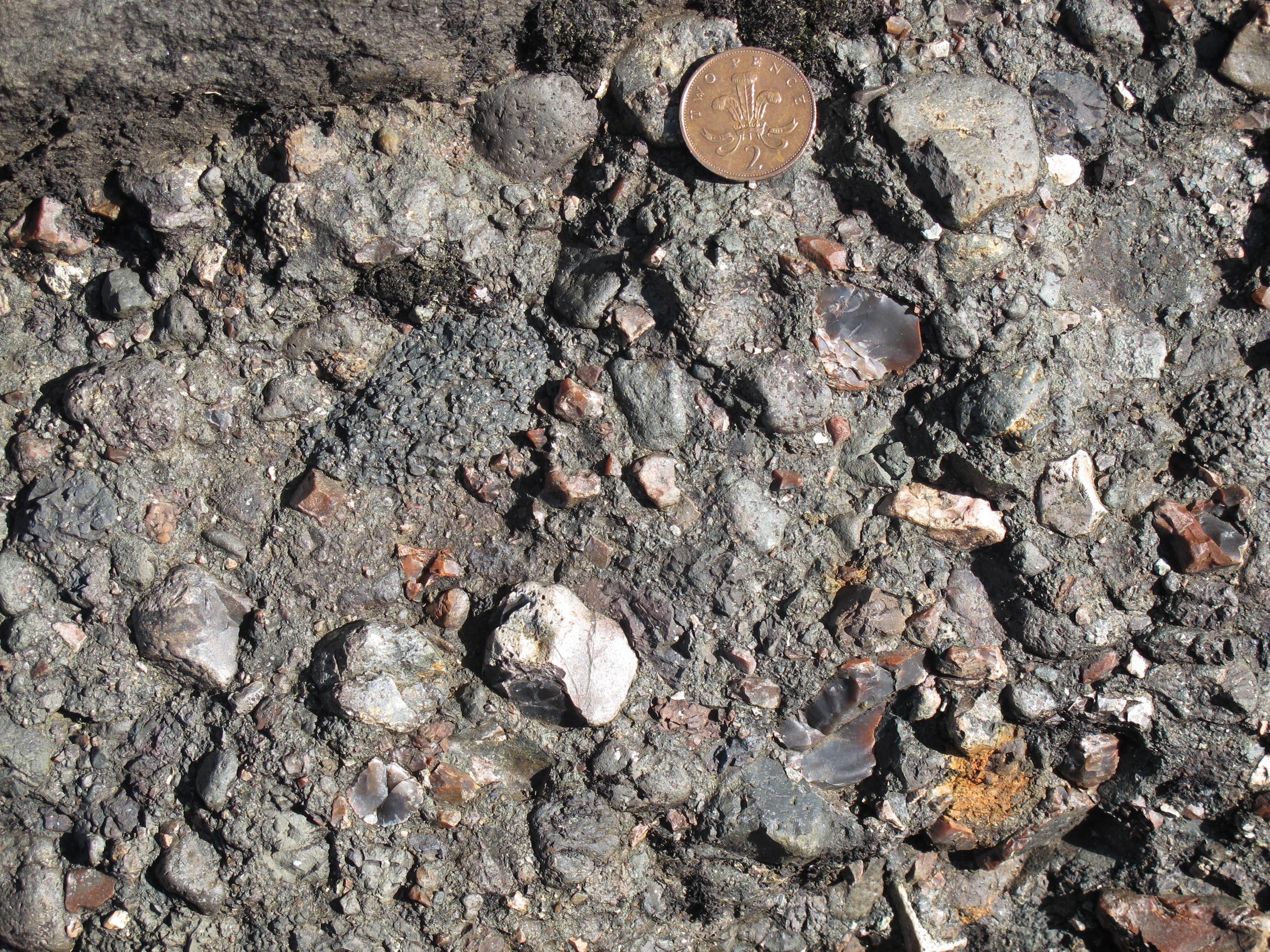
Flint conglomerate showing broken flints and one at middle right with coating of chalk, plus clasts of vesicular basalt lava.
Con Gillen
April 24, 2015
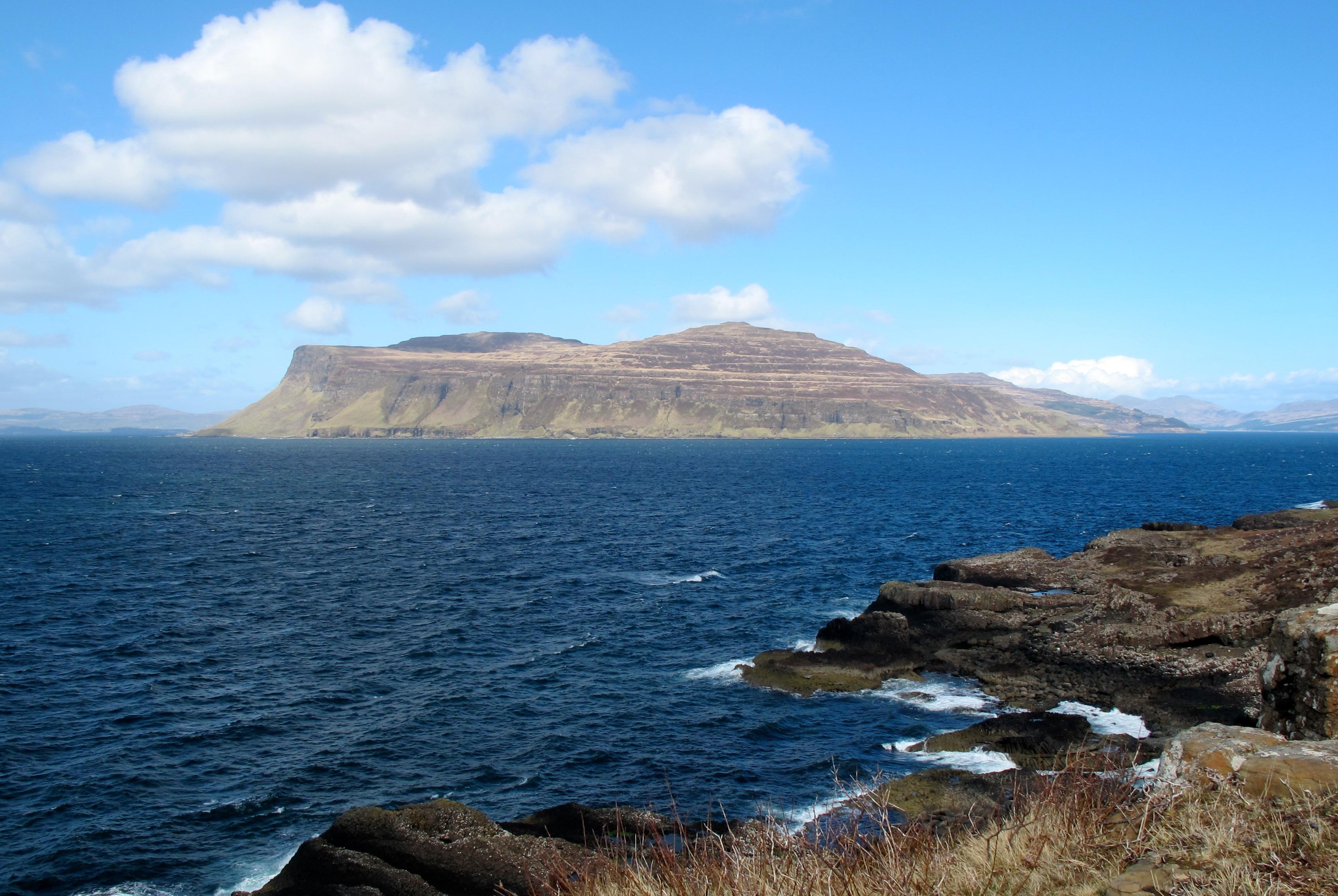
View to plateau lava feature on Ardmeanach peninsula from Ardtun.
Con Gillen
April 24, 2015
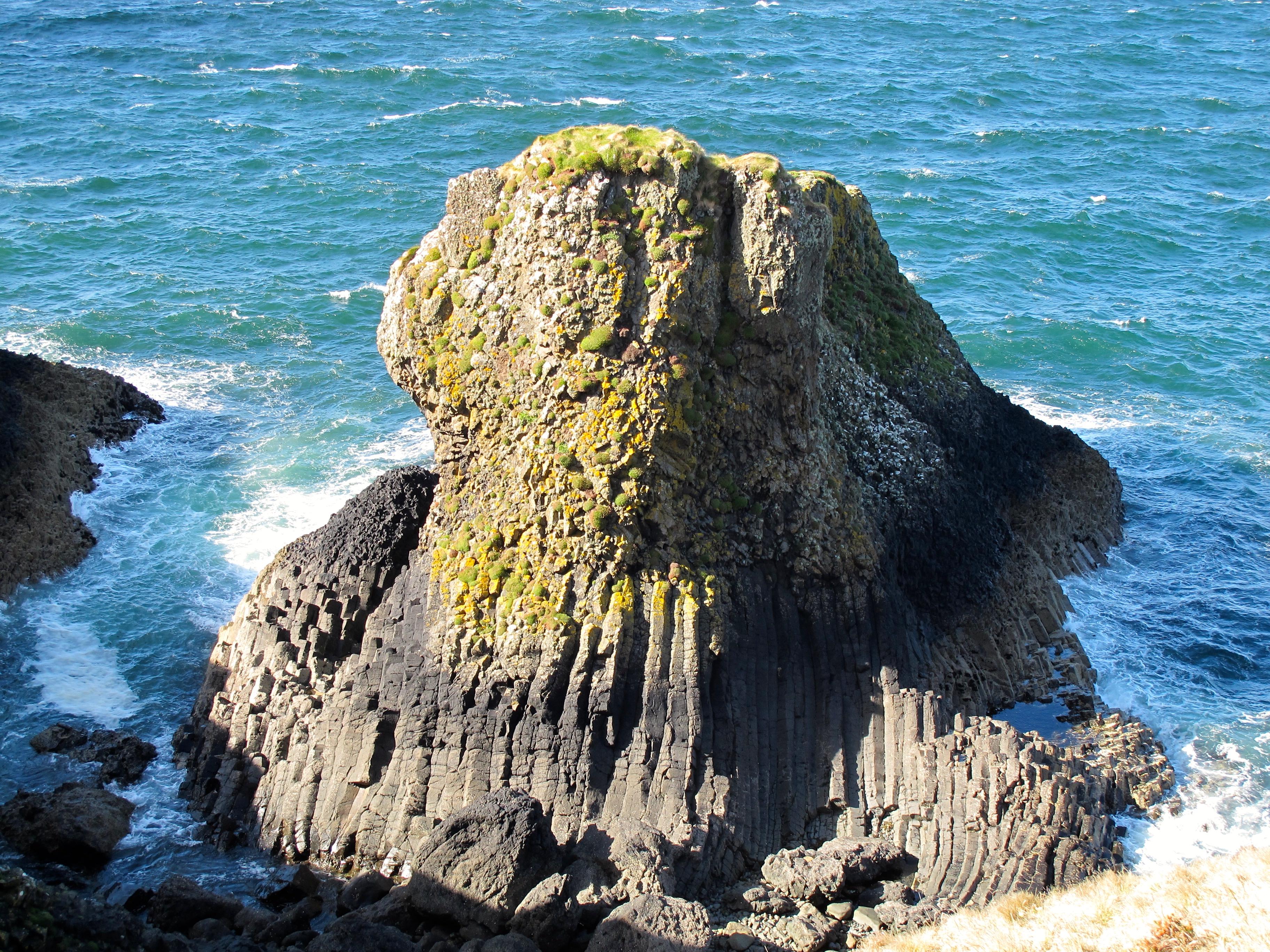
Volcanic plug with agglomerate at top, under the leaf beds at Ardtun, at the foot of the gully.
Con Gillen
April 24, 2015
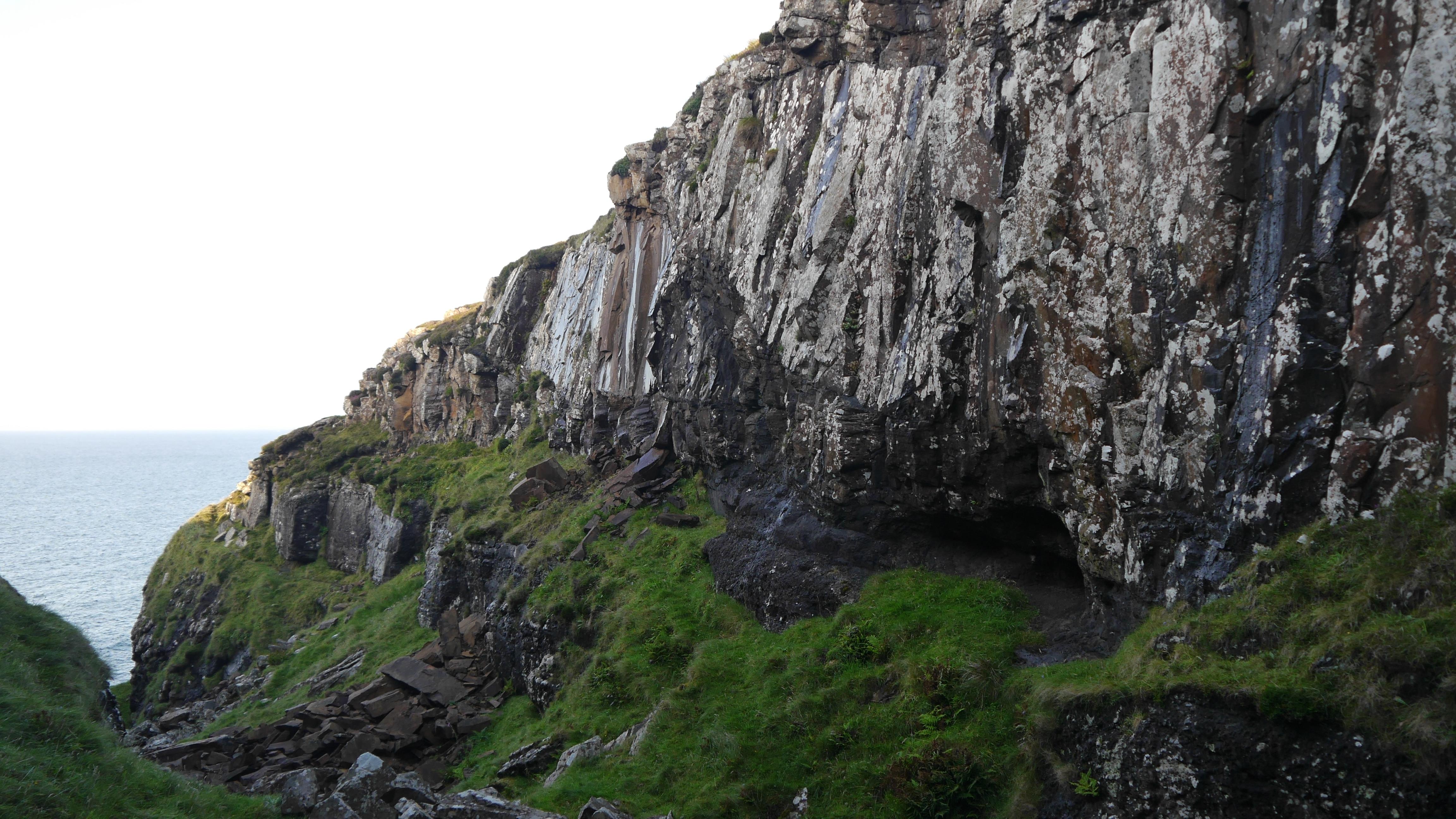
Overview of the site at Slochd an Uruisge.
Daniel Burgess
Aug. 1, 2024
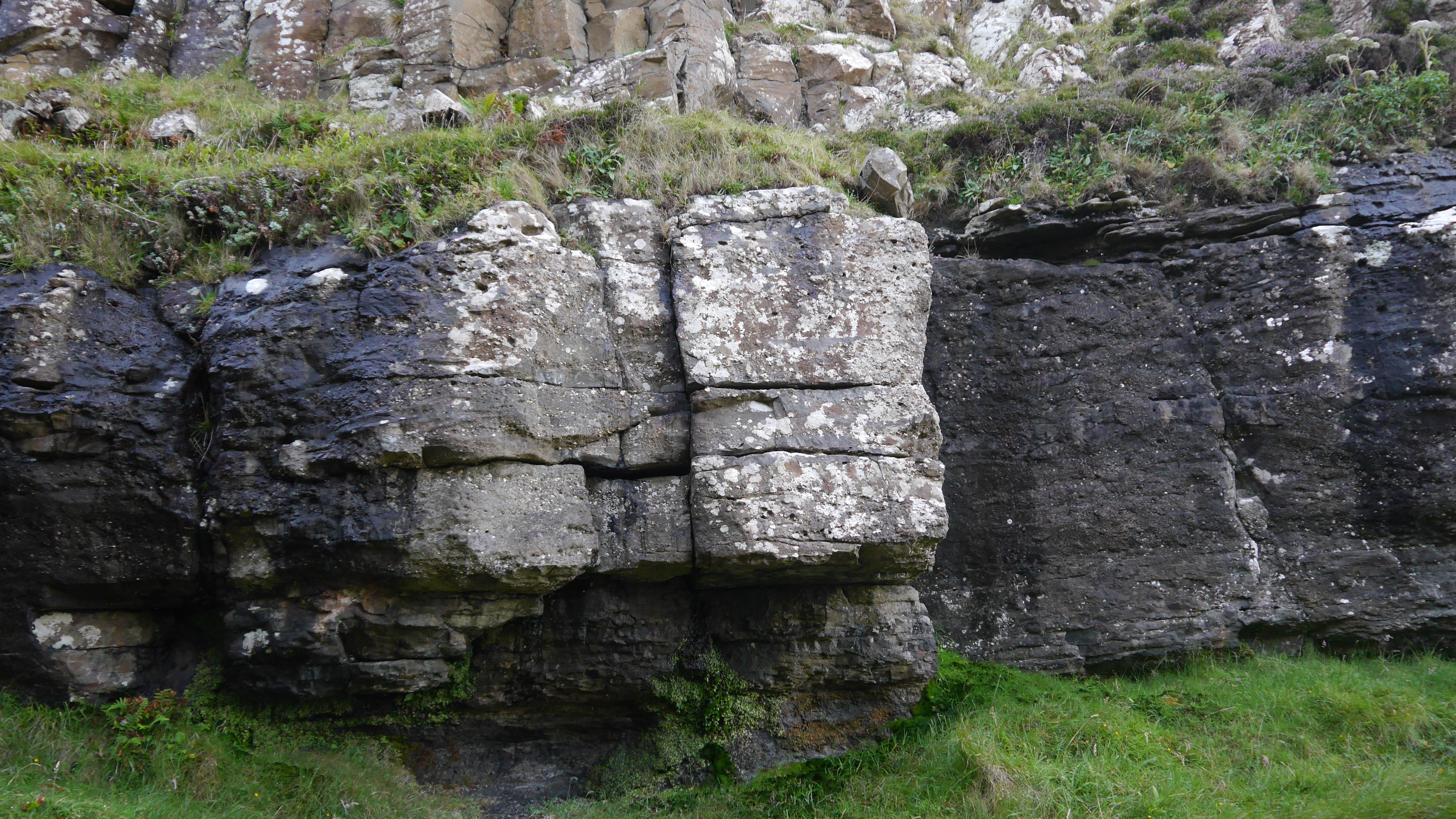
The top of the Ardtun Beds - sedimentary rocks deposited between episodes of volcanic activity on Mull. One of the lacustrine shale horizons can be seen at the bottom of the photograph (weathered inwards). This is followed a by c. 2 m of conglomerate, and the columnar-jointed olivine basalt (Staffa Lava Formation) on top represents resumed volcanic activity.
Daniel Burgess
Aug. 1, 2024
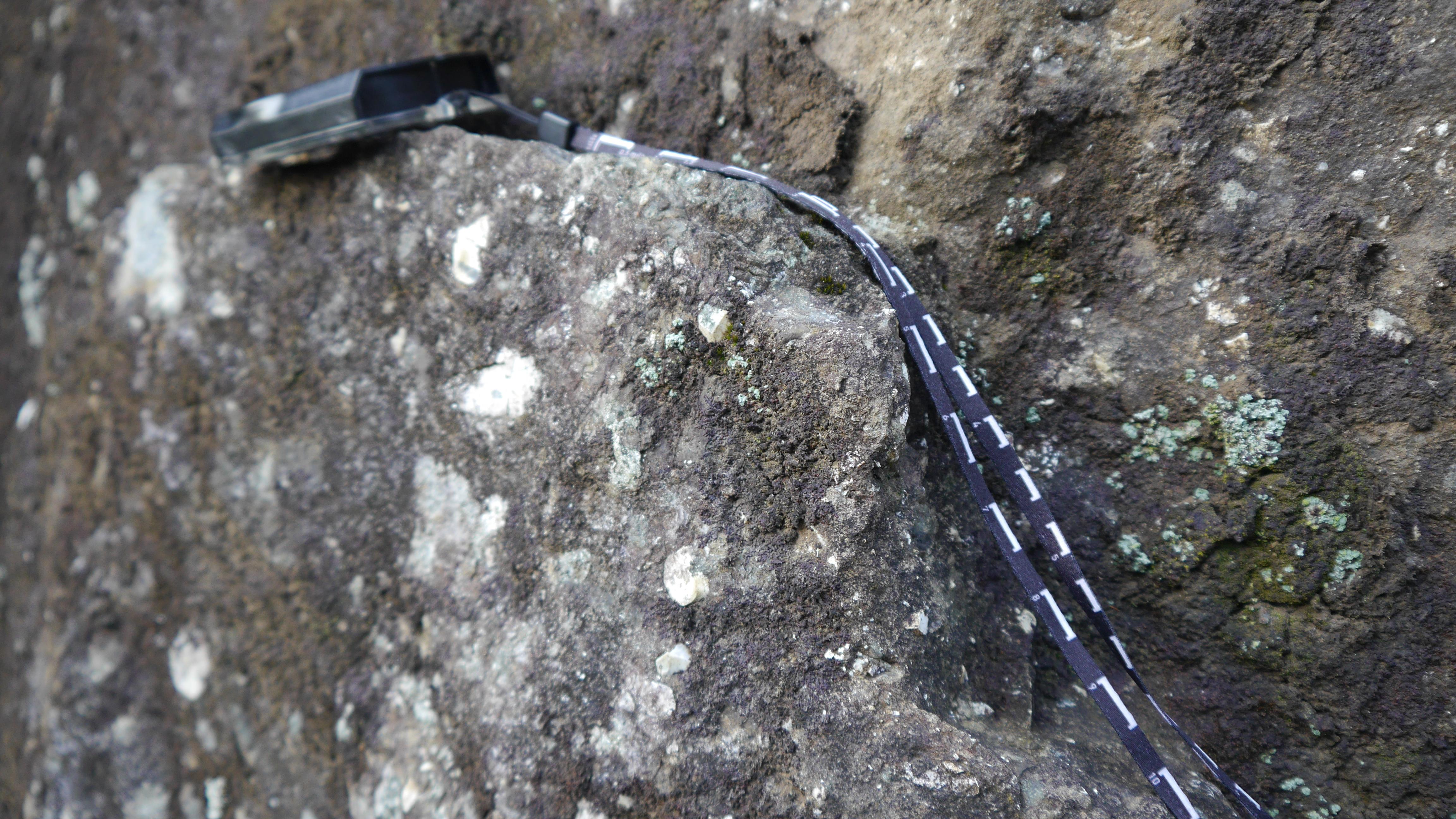
Detail of the conglomerate, containing clasts of Cretaceous chalk and flint.
Daniel Burgess
Aug. 1, 2024
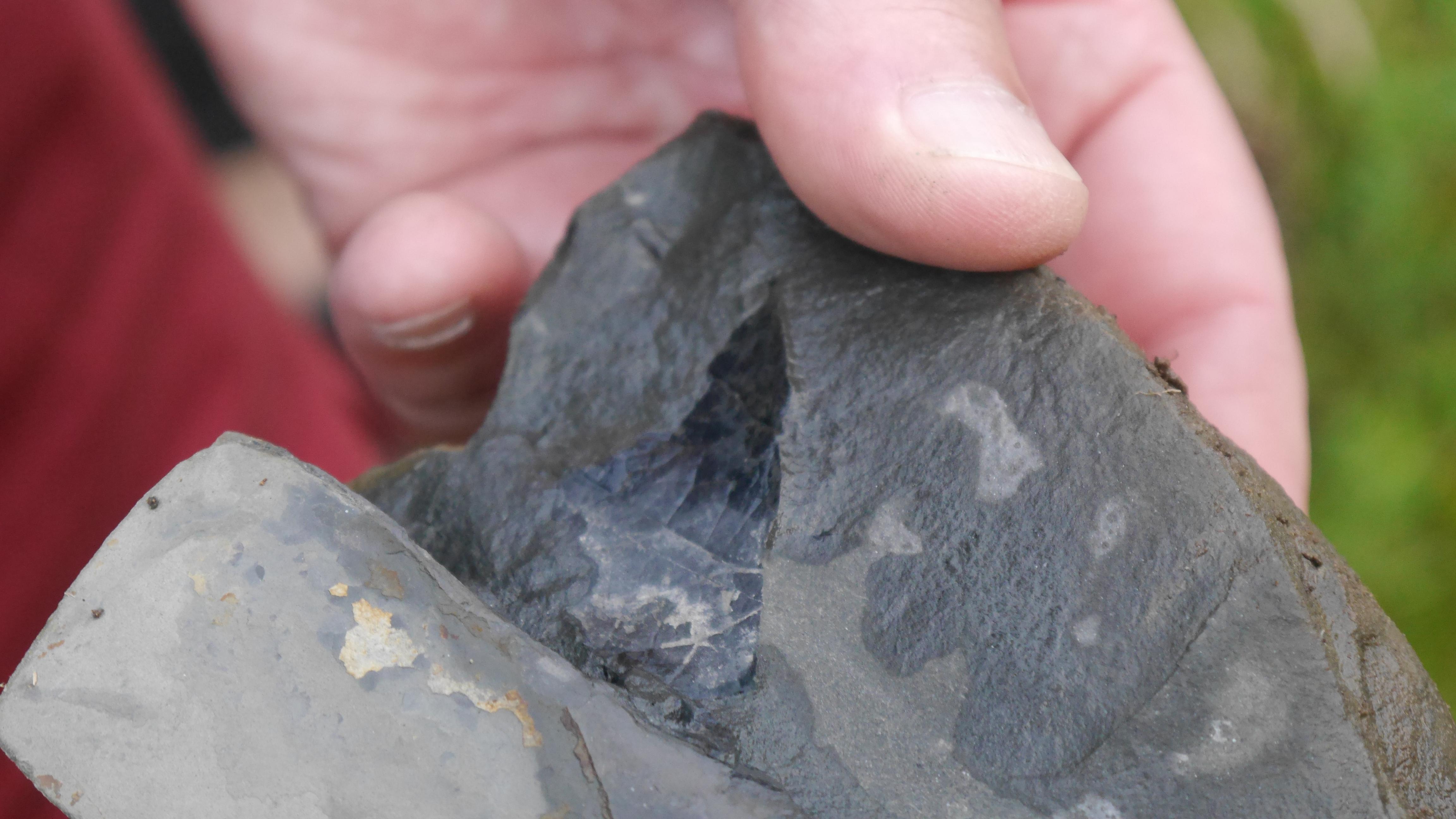
Fossil leaf (species unknown)
Daniel Burgess
Aug. 1, 2024
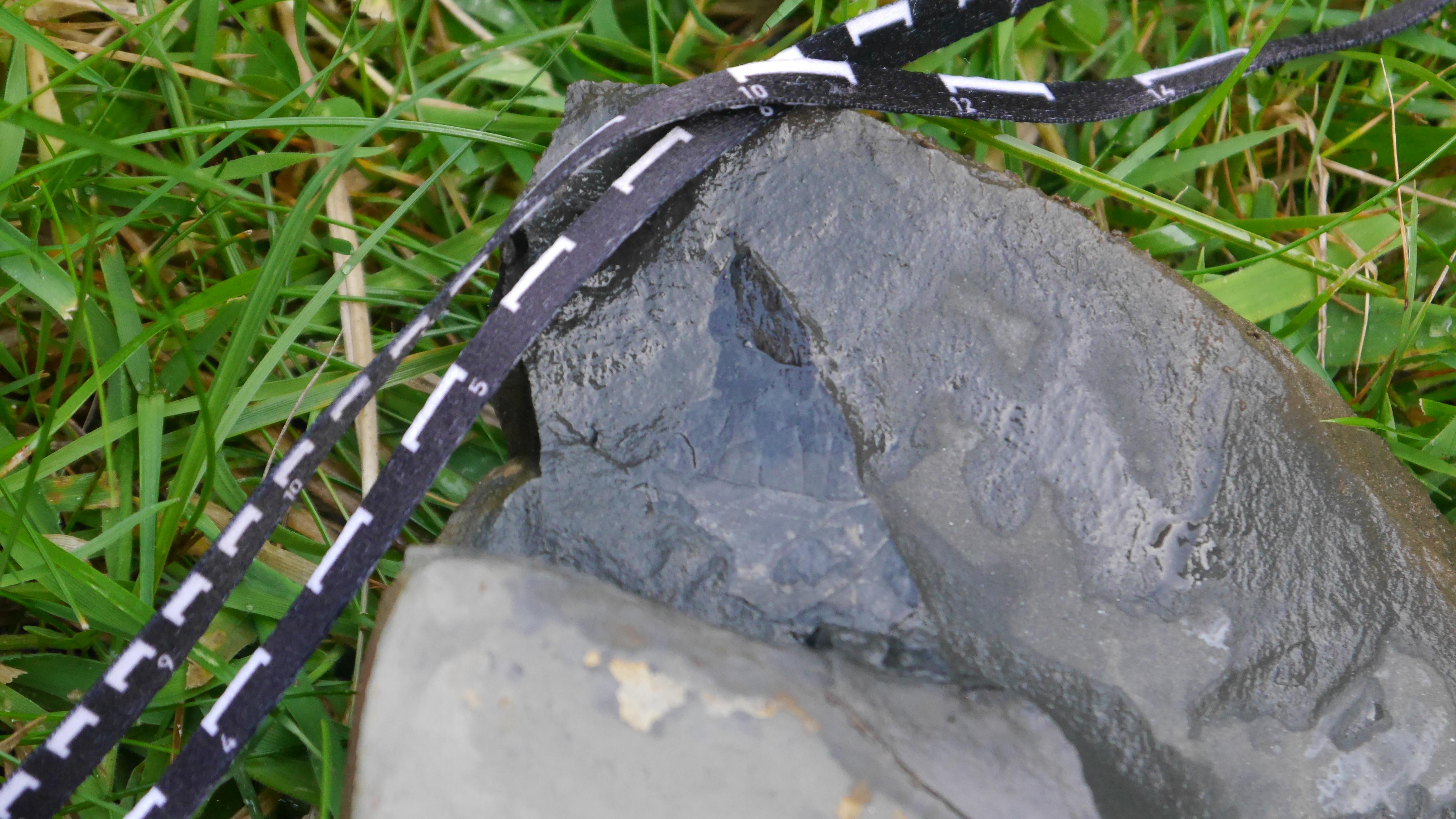
Fossil leaf (species unknown)
Daniel Burgess
Aug. 1, 2024